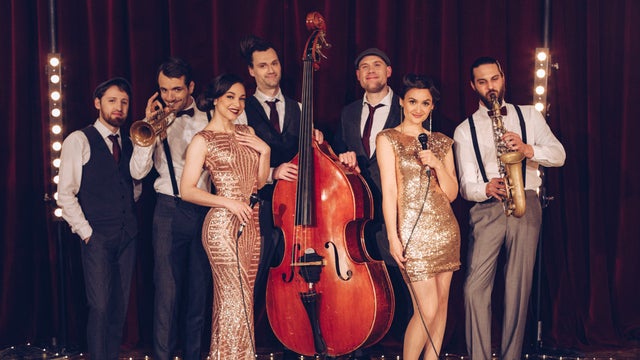
Working With Wedding Photographers as a Professional Band

This article is part of our ongoing series on how to operate as a professional wedding and function band. If you’re at the beginning of that journey, you might want to start with our guide on how to start a function band. Once you’ve built a strong promo and started securing bookings, the focus shifts to how you actually work on the day, and that’s where real professionalism shows.
Playing weddings well is about more than tight sets and great sound.
How you work with the other suppliers on the day has a direct impact on the atmosphere, the couple’s experience and how your band is remembered afterwards.
One of the most important working relationships you will have on a wedding day is with the photographer. When bands and photographers are aligned, the dance floor stays full, the energy builds naturally and the couple ends up with photographs that actually reflect how good the night felt.
Here’s how to work smoothly with photographers and make the evening better for everyone involved.
Introduce Yourself Early
Most photographers arrive earlier in the day and take a break during the wedding breakfast. Bands often arrive while this is happening. That overlap is the best opportunity to introduce yourselves.
A quick conversation sets the tone for the evening. Let the photographer know when you plan to start, how you usually build energy and whether anything special is planned. In return, they can explain how they like to work once the dancing starts.
This small interaction removes friction later on and helps everyone feel like part of the same team rather than separate suppliers.
"The best band-photographer relationships happen when everyone treats the dance floor like a shared production. I always introduce myself during the wedding breakfast, share my timing plan and ask how they like to work. It takes two minutes and makes the whole evening run better."
— Tom Keenan, wedding photographer
Treat the Dance Floor as Shared Space
The dance floor belongs to the couple and their guests, not to any single supplier. That mindset helps avoid problems. As a band, think about:
- Keeping cable runs tidy and predictable
- Leaving clear access routes where possible
- Being aware of sightlines for guests
Photographers are usually moving quickly and reacting to moments. When the physical setup feels logical and safe, they can work without disrupting the performance or the crowd.
Be Clear About Any Promo Content You're Shooting
Many bands now shoot social media content during real weddings: performance clips for Instagram Reels, TikTok, or YouTube. This is understandable. Real wedding footage is the strongest promotional material you can have.
But it needs to be handled transparently:
- Tell the couple in advance that you may capture short clips for your own channels
- Introduce any videographer or content creator you bring and explain their role
- Agree with the main photographer on positioning — you should never compete for the same sightline
- Ensure your content crew stays out of the photographer's key shots
When handled openly, most photographers are happy to share space. What causes problems is when a band's content creator appears without warning and starts working the same angles as the hired photographer. Clear communication before the gig prevents this entirely.
Use Lighting That Helps the Room, Not Fights It
Lighting choices affect both atmosphere and photography. Dark rooms with harsh lasers might feel dramatic on stage, but they often flatten the dance floor and make it harder to capture expressions and movement.
As a general rule:
- Keep enough light to see faces clearly
- Use colour and movement to add energy
- Avoid very strong lasers aimed at crowd level
- Let the room feel lively rather than blacked out
Good lighting makes the band look better, keeps guests engaged and results in stronger photos that represent the night honestly.
Allow Sensible Access Near the Stage
Some of the best images are captured from close to the performance. Shots through instruments, from behind vocalists or beside the drum kit place the viewer inside the moment.
Where space allows, giving photographers limited access near the stage can really elevate the final images. This works best when access points are obvious and cables are secured.
Photographers move fast and usually know when to step back. A bit of trust here often pays off.
Understand That Not Every Wedding Is the Same
Not all wedding performances are high-energy party sets. Some events include classical musicians, worship bands or more formal performances.
In those situations, photographers often work quietly, avoid flash and keep their distance. Clear communication before the performance helps everyone understand what is appropriate for the setting.
Matching your approach to the style of the event is part of being a professional band.
Coordinate Around the Key Moments
The moments that matter most to the couple (first dance, cake cutting, speeches, bouquet throw) require both the band and the photographer to be ready at the same time. If the couple has chosen a first dance song, confirm the arrangement and length in advance so the photographer knows how long the moment will last.
Our first dance song guide covers the most popular choices, and our guide to wedding band set lists explains how set breaks and key moments fit into the running order. A professional band will:
- Confirm the running order with the wedding planner or best man on arrival
- Give the photographer a heads-up two to three minutes before each key moment
- Hold position after the first dance long enough for the photographer to get the shot
- Avoid starting the next song until the photographer signals they're ready
Photographers are often juggling multiple angles and lighting setups for these moments. A brief check-in before each one removes the risk of missed shots and keeps the evening on schedule.
Coordinate Around Flash and Equipment
Off-camera flash is common on busy dance floors. When placed well, it captures sharp action without getting in the way.
If a photographer needs to place equipment near your setup, a quick conversation solves most issues. Agree on positions that keep guests safe and avoid blocking the performance.
If the venue has a sound limiter, mention it to the photographer when you arrive. Sudden power cuts mid-set are disruptive for everyone, and some photographers can adjust their flash positioning to avoid triggering the sensor. Our guide to wedding bands for venues with sound limiters covers how to prepare.
Clear communication here prevents accidents and keeps the evening flowing.
Professional Collaboration Carries On After the Wedding
Good working relationships do not end when the last song finishes. Many photographers share images of bands after the event, which helps bands show real performances in real rooms.
This kind of collaboration is widely expected within the industry and reflects a professional approach on both sides.
From our perspective as a live music platform, the best photographer relationships are built on trust, clarity and respect for the performance.
We’ve found this consistently when working alongside photographers such as Tom Keenan, whose approach supports the energy of the band while producing photographs that genuinely reflect how the night felt for the couple.
Quick Checklist for Bands
- Introduce yourselves to the photographer on arrival
- Share key timings and any planned surprises
- Keep cable runs tidy and predictable
- Use lighting that supports the room and the crowd
- Allow sensible access near the stage where possible
- Communicate clearly about any additional crew
Why This Matters
Couples rarely notice the small logistical decisions made during the evening, but they feel the result. A full dance floor, a relaxed atmosphere and photographs that capture real energy do not happen by accident.
Working well with photographers is part of operating as a professional wedding band. When everyone pulls in the same direction, the night runs better, looks better and is remembered for the right reasons.
If you are just starting out, our guide to starting a function band covers the fundamentals of building a professional operation, from promo to PLI insurance to set structure.
For more on what couples expect from professional bands, take a look at our guide to how to hire a wedding band.
More from our professional band series: