Booking a Ceilidh Band for Your Wedding - Definitive Guide (2026)
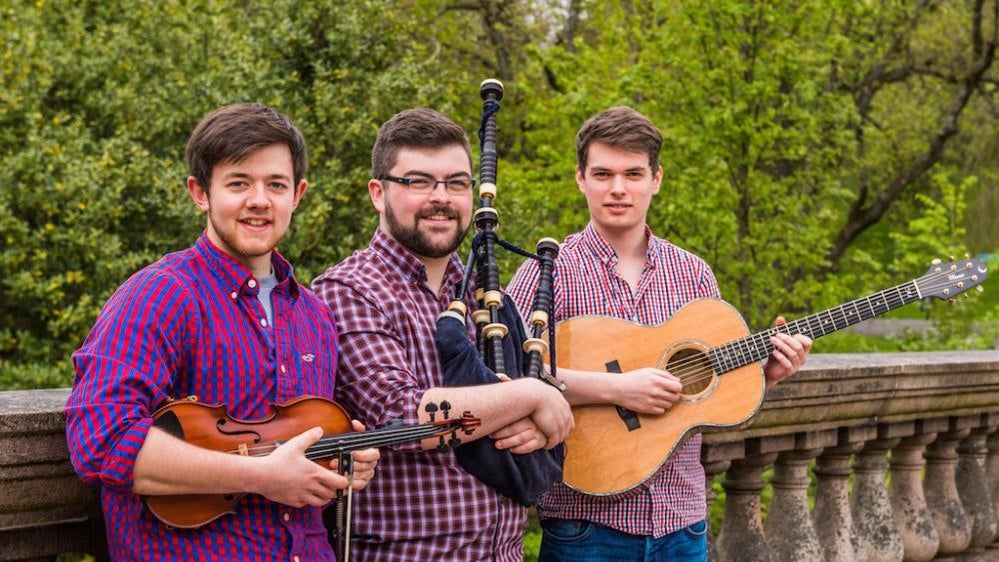
If you want your wedding celebration to be fun, inclusive and full of energy, hiring a ceilidh band is a brilliant choice.
These traditional folk dance bands are increasingly popular at UK weddings, not just for Scottish or Irish couples but for anyone looking to get guests of all ages up and dancing.
This guide brings together real-life insights from dozens of email exchanges between couples and professional ceilidh bands.
Whether you’re planning a rustic barn celebration or a black-tie city wedding, this article will help you book the perfect ceilidh band with confidence.
TL;DR – Ceilidh Band Wedding Summary
- Typical cost for a ceilidh band in the UK: £1200–£1800
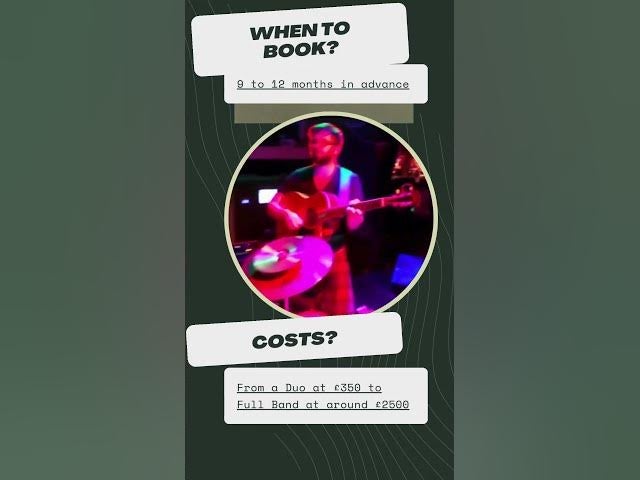
- Best time to book: 9–12 months in advance
- Included as standard: 2 x 45-minute dance sets with a caller, PA system and lights
- Extras available: DJ set, pop covers, acoustic daytime sets
- Most bands offer: Flexible lineups and national travel (some international)
Browse our ceilidh bands for hire to get started.
You can also view this guide as a video...
Why Hire a Ceilidh Band?
A ceilidh is an interactive, communal dance party with a live band and a caller who teaches the steps. It’s accessible, high-energy and instantly brings people together, even if they’ve never ceilidh danced before.
Couples love ceilidhs because:
- They break the ice and get everyone involved
- The dances are easy to follow with a caller
- The live music brings infectious energy
- They work brilliantly for mixed-age crowds
- They can be combined with a covers or DJ set for a full evening of entertainment
- They can be called using gender-neutral and inclusive language
When Should You Book?
We recommend booking at least 9 to 12 months in advance, especially if your wedding is on a Saturday or in the peak summer season. Many popular ceilidh bands are fully booked more than a year ahead for key dates.
Across confirmed ceilidh bookings through FixTheMusic, couples booked their band an average of 14 months before the wedding.
How Much Does a Ceilidh Band Cost?
Here’s a breakdown of common pricing based on dozens of real quotes:
- Standard 5-piece ceilidh band: £1200–£1800
- Larger bands with pop covers: £2000–£2500
- Add-on DJ set: £300–£350
- Acoustic duo for daytime sets: £350–£500
- Playlist disco via the band’s PA: £125–£150
Most quotes include travel, full PA system and lighting. Some bands may charge a small extra fee for early setups or finishes past midnight. Always confirm what’s included when you receive a quote.
The median budget couples enter when enquiring for a ceilidh band on FixTheMusic is £1,409, with most quotes falling between £1,200 and £1,800.
What to Expect from a Ceilidh Band
Standard performance:
- 2 x 45-minute ceilidh sets with a break in between
- Live music with a fiddle-led band and experienced caller
- All equipment and setup included
Add-ons many bands offer:
- Pop/rock covers set
- DJ set or curated playlist
- Acoustic duo/trio for reception or ceremony
Logistics:
- Most bands arrive 1.5 to 2 hours before the performance
- Typical setup space needed: 3m x 5m
- They liaise directly with venues if needed
Bands are also happy to discuss special requests like a first dance or incorporating a favourite ceilidh.
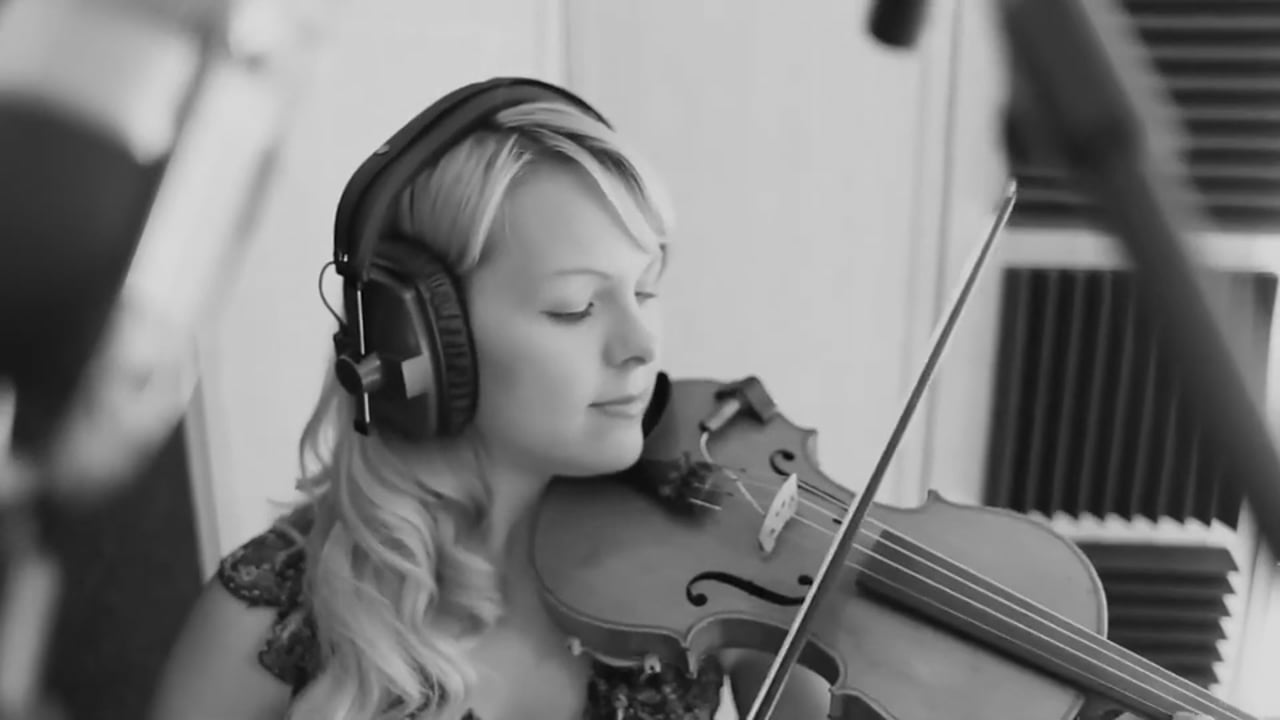
View more videos and read verified reviews of Ceilidh Twist ➡️
Key Questions to Ask Before Booking a Ceilidh Band
- What line-up do you offer and is a caller included?
- Can you adapt your set for beginners or mixed-age groups?
- Do you provide all PA and lighting?
- Are you happy to liaise with our venue?
- Can you provide music earlier in the day or for the full evening?
- What are your setup and break requirements?
- What are your cancellation and payment terms?
Timeline & Schedule: What to Expect on the Day
Couples often ask when a ceilidh fits best within the wedding day. The good news is that ceilidhs are incredibly flexible: they can work brilliantly as the main evening entertainment, as an ice-breaker earlier on or as a high-energy finale after dinner.
Here’s a typical ceilidh timeline for a wedding:
17:00–19:00 — Drinks reception (optional acoustic set)
Some ceilidh bands offer a roaming duo or small folk trio to create a relaxed atmosphere as guests mingle after the ceremony.
19:30 — First dance or opening set
You can either have your chosen first dance performed live or start the night with a ceilidh dance that brings everyone onto the floor together.
20:00–21:30 — Main ceilidh (2 x 45-minute sets)
Most ceilidh bands perform two lively sets with a short break in between. The caller teaches each dance on the night, so no one needs to know the steps in advance.
21:30 onwards — DJ set, covers band or curated playlist
Many couples like to follow the ceilidh with a DJ or pop covers set. This gives guests time to relax, grab a drink and keep dancing late into the evening.
23:00–00:00 — Finale dance
Traditional favourites like Orcadian Strip the Willow or Auld Lang Syne work perfectly as a joyful, all-in finish before the night winds down.
Of course, every wedding is different. Your ceilidh band will work with you to fit their sets around your running order. Ceilidhs are particularly good at bridging moments in the evening, such as between dinner and the late-night party, ensuring the dance floor is never empty.
FAQ
What is a ceilidh band?
How long does a ceilidh last at a wedding?
Can the caller use gender-neutral or inclusive language?
Do we need to know how to dance?
How much space do we need for dancing?
Can ceilidh bands also do our first dance?
What instruments are usually in a ceilidh band?
Do we need to feed the band?
Do bands travel abroad?
What is the dress code for a ceilidh?
Can ceilidh dances be adapted for guests with limited mobility?
What are the most popular ceilidh dances at weddings?
Ceilidh bands usually choose a mix of beginner-friendly and lively dances that work well with mixed-age crowds. Here are some favourites:
- Gay Gordons: A great opener. Marching in pairs to a catchy rhythm, it’s easy to pick up and gets everyone involved right away.
- Orcadian Strip the Willow: A longer, all-in version involving the whole room. Fantastic as a big finale.
- Auld Lang Syne: Often played at the end of the night with guests in a circle. A traditional and emotional send-off.
- Dashing White Sergeant: A high-energy dance in groups of six. It’s a fun team effort and brilliant for getting people laughing together.
- Circassian Circle: Danced in a big circle with partners swapping throughout. It’s ideal for mingling and great for breaking the ice.
- Virginia Reel: Two lines facing each other, full of do-si-dos and lively switching. A good one once people are warmed up.
- Strip the Willow: A classic. Intense spinning between couples and partners in a line. Often saved for later when guests are confident and ready for a challenge.
- Military Two-Step / Canadian Barn Dance: Simple and upbeat partner dances, great for getting everyone moving quickly.

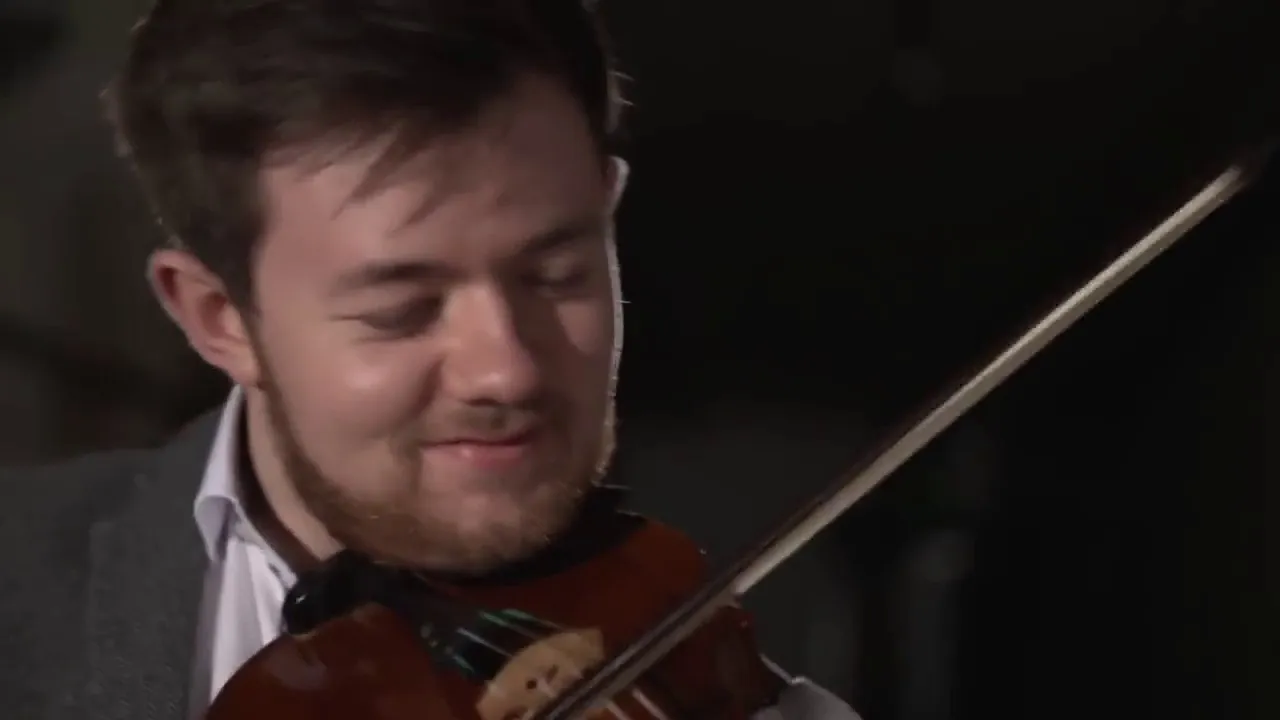
View more videos and read verified reviews of Ramnee Ceilidh Band ➡️
Real Couple Spotlights
Hannah & Callum – Barn wedding in Somerset with Willow Ceilidh Band
Hannah and Callum booked Willow Ceilidh Band for their wedding at Quantock Lakes in Somerset. In their emails, they emphasised wanting a "fun, informal vibe" and requested a flexible caller who could adapt to guests of all experience levels. The band provided a DJ set afterwards using the same PA system, which simplified the evening schedule. The ceilidh was a hit with guests ranging from toddlers to grandparents.
Kevin & Naomi – Inclusive ceilidh in Oxfordshire
Kevin and Naomi planned a wedding at Stratton Court Barn and reached out to confirm whether the band could provide gender-neutral calling. The band replied promptly and assured them that terms like "lead and follow" or "partner A and B" could be used instead of gendered roles. Kevin noted in follow-up emails that their guests appreciated the inclusive approach, and the dances felt welcoming to everyone. They booked Ceilidh Twist for their wedding.
Max & Tilly – Destination wedding in the Dordogne with remote setup
Max and Tilly held their wedding at a countryside venue in the Dordogne, France. The band could not bring their full PA system, so the couple arranged local AV hire based on a spec list sent by the band. Their emails show careful coordination of sound, lighting and setup times. Despite the logistics, the ceilidh went ahead without a hitch under the stars, and guests from across Europe joined in enthusiastically. Ceilidh Fire was their band of choice.
What’s Changed for Ceilidh Weddings in 2026?
Based on recent enquiries and bookings through FixTheMusic, a few clear trends have shaped how couples are using ceilidh bands at weddings today:
- More couples are booking a ceilidh band and DJ as a single package, keeping the evening flowing smoothly without changing suppliers
- Gender-neutral and inclusive calling is now widely available and commonly requested
- Ceilidhs are increasingly used as an early-evening ice-breaker, not just a late-night dance-floor option
- Bands are more accustomed to working with venue sound limits, particularly in barns, marquees and listed buildings
- Destination weddings and DIY venues are more common, with bands providing clear technical specs for local AV hire
- Weekday and Sunday weddings continue to grow in popularity, often offering greater availability and flexibility
See our most recommended ceilidh bands in our related articles: