Booking a Wedding DJ - The Definitive Guide (2026)
Planning your wedding music is one of the most exciting parts of the big day, and in 2026 couples are putting more thought than ever into how the evening feels from start to finish.
The right wedding DJ does far more than just press play: they create atmosphere, read the room, keep the timeline moving and ensure everyone from your gran to your best mates have an amazing time on the dance floor.
This guide walks you through every essential detail of hiring a wedding DJ in the UK with real examples, expert advice and answers to the most common questions real couples have asked our DJs during their planning.
Who this guide is for: Couples planning a UK wedding who want to understand DJ costs, what DJs actually do, how to choose the right one and how to avoid common mistakes when booking.
Quick summary for couples hiring a wedding DJ
- Average UK wedding DJ cost: £800–£1,200
- Book 9–12 months ahead, earlier for peak summer Saturdays
- Share a 30–40 song playlist and a do-not-play list
- DJs bring their own sound, lighting and backup equipment
- Ask about extras: sax players, uplighting, early setup etc.
- Many DJs now offer hybrid DJ + live instrument options
- Use platforms like FixTheMusic to view reviews and book securely
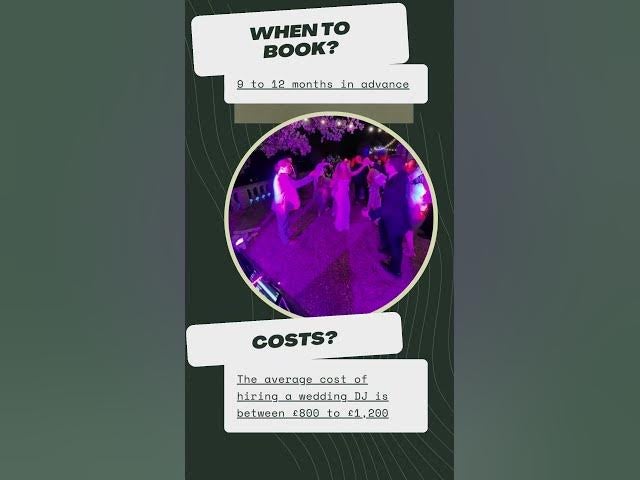
You can also view this guide as a video...
What’s new for 2026: More couples are choosing shorter DJ sets with stronger peaks, adding live elements like sax or percussion and sharing clearer do-not-play lists.
For more on how couples are thinking about wedding music right now, take a look at our wedding music trends research.
Table of Contents
- What is a Wedding DJ?
- Wedding DJ Video from One of Our Events
- Why Hire a DJ for Your Wedding?
- When Should You Book Your Wedding DJ?
- How Much Does a Wedding DJ Cost in the UK?
- What to Expect From Your Wedding DJ?
- How to Choose the Best Wedding DJ
- What kind of music can I expect from my wedding DJ?
- How many songs does a DJ play at a wedding?
- How many songs is a one hour DJ set?
- How long do wedding DJs usually play for?
- Do DJs take breaks?
- What sound and lighting will my wedding DJ supply?
- How much space does a wedding DJ need?
- What can you customise with your wedding DJ?
- Can you ask the wedding DJ to play your playlist?
- How do DJs transition between songs?
- Do DJs take guest requests?
- What guarantees come with booking a wedding DJ?
- What if something goes wrong during the event?
- What happens if our DJ gets sick before the wedding?
- Who pays for the wedding DJ?
- Will the DJ make announcements?
- Should we provide food?
- Do DJs need insurance?
- Common Mistakes to Avoid
- Final Tips
- Need Help Finding the Right DJ?
What is a Wedding DJ?
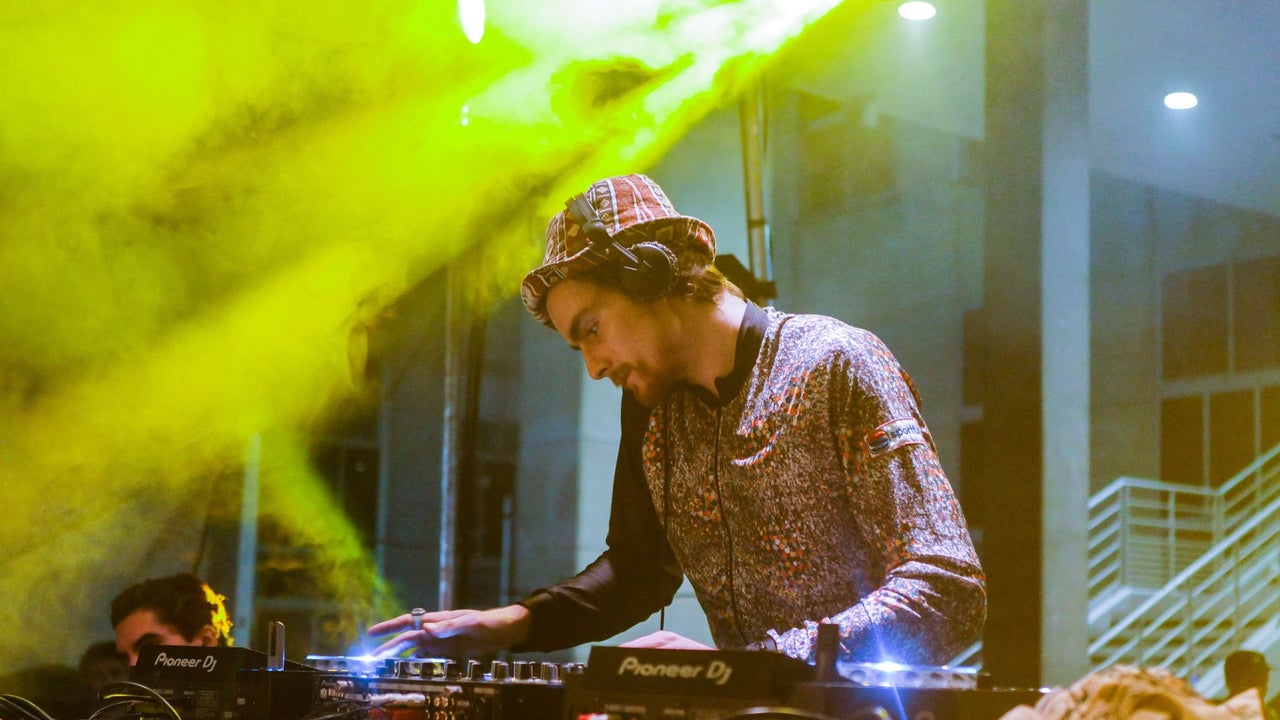
A wedding DJ is a professional disc jockey hired to provide music at a wedding. They are responsible for playing a curated selection of songs during the reception, and sometimes during the ceremony and drinks reception. Wedding DJs in the UK typically supply their own sound system, DJ booth and lighting equipment.
Their duties may also include managing the event timeline, making announcements (if requested) and reading the crowd to maintain an upbeat atmosphere throughout the event.
In other words, it’s not just someone who plays songs. A great wedding DJ reads the room, keeps the energy flowing, makes smooth transitions between key moments and knows how to get everyone on the dancefloor. They bring the gear, work with your venue or planner and help the night run smoothly from start to finish.
Wedding DJ Video from One of Our Events
The video below shows DJ George Jonathan performing at a wedding at Lauderdale House, London. George is one of our best wedding DJs in London.
Why Hire a DJ for Your Wedding?
- Versatility: DJs can cater to all ages and musical tastes, from Motown and Funk to Garage, House, Disco and TikTok hits
- Seamless Transitions: No awkward pauses between tracks or speeches
- Crowd Reading: Good DJs adapt in real time to keep the dancefloor full
- Affordability: Generally more budget-friendly than live bands
- Set-Up Support: Most bring their own PA system, lighting, microphones and DJ booth
When Should You Book Your Wedding DJ?
Aim to book 9–12 months in advance, especially for summer weddings (May to September). The best wedding DJs in the UK get snapped up early, particularly in London, the Cotswolds and coastal venues.
For popular venues and London-based DJs, Friday weddings and off-peak months are also booking up earlier than they used to.
How Much Does a Wedding DJ Cost in the UK?
The average cost of hiring a wedding DJ is between £800 to £1,200.
This is for a mid-range professional wedding DJ. Some DJs will start at £400 for weddings and premium DJs charge between £1,300 to £2,000+ for weddings.
What’s typically included:
- Evening set (4–5 hours)
- Sound system and disco lighting
- Microphones for speeches
- Setup and teardown
Popular add-ons:
- Ceremony and drinks reception music
- Live instruments (saxophone, bongos)
- Uplighting and dance floor enhancements
- Custom DJ booth designs
View more videos and read verified reviews of DJ Chris ➡️
What to Expect From Your Wedding DJ?
A professional wedding DJ does a lot more than just show up and press play. From the first planning call to the final song of the night, they work closely with you to make sure the music is just right and ensure everything runs smoothly.
Here's what you can typically expect:
Before the Day:
- Consultation call or video meeting
- Playlist planning (often via collaborative Spotify playlists)
- Help defining do-not-play lists
- Equipment and lighting preferences
- Deposit payment through platforms like FixTheMusic
On the Day:
- Setup (usually 1–2 hours in advance)
- Sound and lighting checks
- Coordination with venue and planner
- MCing key moments (first dance, cake, sparklers)
- Real-time mixing and guest request management
Timeline & Running Order for Your Wedding DJ
Many couples wonder when exactly the DJ should start and how the evening usually unfolds. While every wedding is different, most receptions follow a similar flow.
Here’s a typical wedding DJ timeline:
-
17:00–19:00 — Setup and soundcheck
The DJ usually arrives while guests are enjoying drinks or dinner. This avoids disruption later on. -
20:00 — First dance and opening songs
Once everyone’s gathered in the evening space, your DJ can play your chosen first dance track or kick off with a group-friendly opener. -
20:15–23:30 — Main DJ set
This is the heart of the party. Your DJ will read the room, mix in real time and keep guests dancing. Many couples also plan speeches, cake cutting or sparkler exits around this window. -
23:30–00:00 — Final songs and wrap-up
Most couples end on a big, crowd-pleasing track. Your DJ can build toward a natural finish or extend the set if you’re planning a late-night party. -
00:00 onwards — Pack down or after-party
The DJ powers down and packs up, or switches to a silent disco, playlist or late-night extension if booked.
This kind of structure helps keep your evening flowing smoothly and ensures the music fits neatly around key wedding moments.
Many DJs now use online planning forms or shared playlists to keep everything organised well ahead of the day.
How to Choose the Best Wedding DJ
At FixTheMusic we’ve helped thousands of couples book wedding DJs across the UK, so we’ve seen first-hand what separates a great DJ from an average one.
Finding the right wedding DJ is about more than just good music; it’s about professionalism, flexibility and experience. These key areas and questions will help you choose a DJ who fits your vibe and can deliver a great night.
Experience & Background
Before anything else, it’s important to understand a DJ’s professional background. A seasoned wedding DJ will know how to handle the flow of the day, read the crowd and respond calmly if things don’t go exactly to plan.
Ask them:
- How long have you been DJing professionally?
- How many weddings have you done?
- Have you worked at our venue before?
Previous experience at your venue is a big plus. They’ll know the acoustics, setup logistics and any specific requirements from the venue team.
Style & Flexibility
Not all DJs have the same approach. Some specialise in club-style mixing, others focus on genre-spanning wedding sets that cater to all ages. The best DJs are versatile and happy to adapt their style to your musical taste.
Ask about:
- What’s your DJing style (e.g. open format, genre-specific)?
- Are you comfortable playing a mix of genres and eras?
- Do you take guest requests on the night?
- Will you make announcements (e.g. cake cutting, first dance)?
If announcements are important to you, confirm early. Not every DJ offers MC services.
Planning Process
A good DJ will want to get to know your music preferences and help shape the soundtrack of your day. The planning process should include consultations, playlist support and a discussion around the tone of the evening.
Ask:
- Do you help build a playlist?
- How do you handle “do-not-play” lists?
- Can we meet or speak before the day?
Look for DJs who offer collaborative playlist tools (like Spotify) and make the planning feel easy and fun.
Equipment & Logistics
Sound quality and setup are just as important as the music itself. Professional DJs bring their own gear, including high-quality PA systems, lighting rigs and DJ booths, and know how to get everything running on the day.
Questions to cover:
- Do you bring your own PA system, lighting and DJ booth?
- Do you offer different booth styles (e.g. white gloss, rustic)?
- Are you insured (PLI) and is your equipment PAT tested?
- How much setup time do you need?
- What’s your contingency plan if your equipment fails?
Make sure your venue has adequate power and access, and confirm setup times to avoid disruption.
Also ask your venue whether they use a sound limiter, as this can affect how loud the music can be played and what equipment setup works best. Experienced wedding DJs will know how to work within these limits.
Pricing & Add-ons
Wedding DJ prices can vary widely based on experience, demand, location and extras. Make sure you understand what’s included and whether you’ll be charged for travel, setup or additional hours.
Ask your DJ:
- What’s included in the base price?
- Are travel and accommodation included?
- How much do you charge for overtime?
- Can you supply musicians (e.g. sax, bongos)?
- Do you offer ceremony, drinks or dinner coverage?
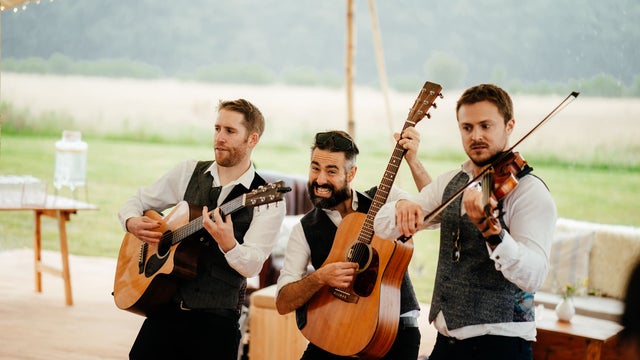
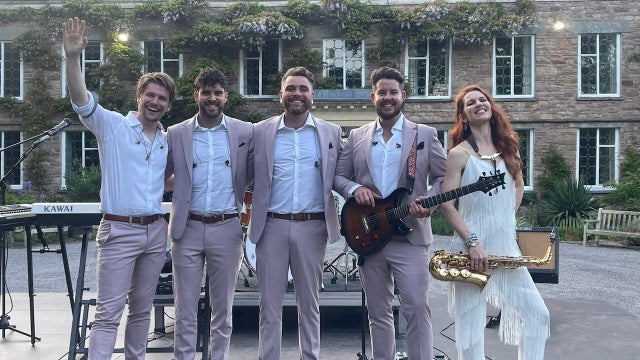
Many DJs now offer live elements like saxophone, bongos or even electric violin. Have a read about our best sax & DJ groups in the UK.

View more videos and read verified reviews of Rhythm Riot ➡️
What kind of music can I expect from my wedding DJ?
Anything you like, from Motown and 90s R&B to House, Garage, Disco and TikTok hits. Most wedding DJs are open-format and tailor their set to your crowd and preferences.
How many songs does a DJ play at a wedding?
A wedding DJ typically plays 60–80 songs during a 4–5 hour set, depending on track length, mixing style and the energy of the room.
How many songs is a one hour DJ set?
A one-hour DJ set usually includes 12 to 20 songs, depending on track length and mixing style. Slower or extended tracks mean fewer songs per hour, while quick transitions can fit in more.
How long do wedding DJs usually play for?
Standard sets are usually 4 to 5 hours (e.g. 8 pm to midnight). Most DJs are happy to extend to 1 am or later for an additional fee; just let them know ahead of time. Many DJs offer flexible timings and quote for extended hours or early arrivals when needed.
Many couples now prefer tighter sets with clearer highs rather than playing continuously at the same energy level.
Do DJs take breaks?
Rarely. Most DJs play straight through. DJs like DJ TM don’t take formal breaks but may step away for a moment if needed. Music keeps playing even during quick breathers.
What sound and lighting will my wedding DJ supply?
Professional DJs will bring a full setup, including speakers, decks, lighting, booth and microphones. DJs like DJ Karl, DJ TM and DJ Anthony also offer multiple lighting styles, including uplighters, haze effects and custom booths. All you need to do is confirm the venue has sufficient power and access for setup.
How much space does a wedding DJ need?
Around 2x3 metres is typical. Enough for a booth, speakers and lighting. Let your venue know in advance to avoid surprises.
What can you customise with your wedding DJ?
Lots: playlist, do-not-play list, booth style, lighting, timing, live instrument add-ons (like sax) and key moments like your first dance.
Can you ask the wedding DJ to play your playlist?
Yes. Most DJs encourage it. A collaborative Spotify playlist is ideal. DJs typically ask for around 30–40 songs that capture your energy, plus your first dance and any special requests (e.g. father-daughter dances). You should also share songs or artists to avoid. Some FixTheMusic couples like CJ & Charlotte even invited their guests to submit a song to get them on the dancefloor.
How do DJs transition between songs?
Professional wedding DJs use smooth transitions to keep the dancefloor full and the energy flowing. Most rely on beatmatching, crossfading or layering the intro of one song over the outro of another. The aim is to make each track blend seamlessly so the shift feels natural and guests keep dancing without a break in the music.
Do DJs take guest requests?
Yes, but with discretion. All DJs interviewed by FixTheMusic accept guest requests but will filter them based on timing, crowd energy and the couple’s preferences. DJ TM, for example, will only play a request if it fits the vibe.
What guarantees come with booking a wedding DJ?
If you book through platforms like FixTheMusic, you'll get clear agreements, secure payment, backup support and verified reviews. No last-minute surprises.
What if something goes wrong during the event?
Experienced DJs always carry backup gear. For example, DJ TM once had a moment where his laptop froze, but he seamlessly switched to a backup iPad with Spotify to keep the party going. Ask your DJ what contingency plans they have.
What happens if our DJ gets sick before the wedding?
Trusted DJs always have a backup plan. If you’ve booked through FixTheMusic, we’ll help arrange a similar replacement with no extra stress.
Who pays for the wedding DJ?
There are no fixed rules about who pays for the DJ. Traditionally, the groom’s family sometimes covered parts of the reception, but today most couples include the DJ in their own budget. Some families choose to split the cost, but it’s entirely up to personal preference and what works best for your wedding plans.
Will the DJ make announcements?
Yes, if requested. Most professional DJs will gladly handle key moments like announcing the first dance, calling guests to dinner or introducing sparklers or a live performance. Just confirm what you’d like in advance.
Should we provide food?
While not required by every wedding DJ, it's a kind gesture, especially if your DJ arrives early or stays late. Some DJs eat before arriving, while others appreciate having evening food and soft drinks available. Ask your DJ what they prefer.
Do DJs need insurance?
Yes, most wedding venues in the UK require it. DJs should have Public Liability Insurance (PLI) and PAT testing certification for their equipment. FixTheMusic’s wedding DJs always provide these documents if needed.
Common Mistakes to Avoid
- Leaving Booking Too Late: The best DJs get booked early, especially for peak summer dates
- Overloading the Playlist: DJs appreciate a vibe guide, but a 100-song must-play list can hinder their flexibility
- Forgetting the Do-Not-Play List: Avoid awkward surprises by flagging anything you don’t want to hear
- Not Communicating Setup Needs with the Venue: Confirm power access, setup time and any sound restrictions in advance
- Assuming All DJs Provide the Same Equipment: Ask for a full list (booth style, lighting, microphones, backup gear)
- Skipping the Planning Call: A 30-minute chat can prevent hours of confusion on the day
- Hiring on Price Alone: DJs vary hugely in experience, music knowledge and crowd-reading skills. Listen to mixes, check reviews, do your research
Final Tips
- Book early. The best wedding DJs fill up fast, especially in summer
- Talk through your musical likes and dislikes
- Trust your DJ’s ability to read the room
- Don’t overthink the playlist. Focus on vibe not volume
- Feed your DJ. It’s a long day for them too
You might also find our guide to top wedding DJs in London helpful if you're getting married in the capital.
Need Help Finding the Right DJ?
Platforms like FixTheMusic can help you compare trusted DJs, see reviews and book with clear agreements and payment schedules.
Looking for a checklist to stay organised? Download our free Wedding DJ Planning Checklist to keep everything on track.
👉 Download Wedding DJ Checklist (PDF)
Let your wedding music be as stunning as the dress, the vows and the dancefloor confetti.